

Five Daily Patience Exercises You Can Start Today
Practical, easy-to-implement exercises like queue meditation, slow reading, and intentional pauses that fit into your daily routine

How delayed gratification rewires your brain, builds emotional resilience, and transforms your long-term decision-making

Patience gets a bad reputation. We live in an age where everything’s supposed to be instant—fast food, same-day delivery, instant messaging. But here’s what neuroscience is showing us: waiting actually rewires your brain in profound ways.
When you practice patience, you’re not just sitting around twiddling your thumbs. You’re actively strengthening the prefrontal cortex, the part of your brain responsible for decision-making, emotional regulation, and impulse control. It’s like going to the gym, except the workout happens in your mind.
The real transformation happens over time. Studies show that people who develop patience tend to have better relationships, make smarter financial decisions, and experience less anxiety. They’re not necessarily calmer by nature—they’ve trained themselves to be that way.

Let’s talk about what actually happens when you choose to wait. Your brain has two competing systems. The limbic system wants immediate rewards—that’s the part that craves chocolate, wants to check your phone every 30 seconds, and pushes you toward instant gratification. The prefrontal cortex? That’s your rational, planning-oriented brain. It thinks about consequences, weighs long-term benefits, and says “maybe we should wait.”
Every time you resist an impulse, you’re essentially exercising that prefrontal cortex. Research from Stanford found that people who could wait 15 minutes for a reward showed increased gray matter density in key decision-making areas. They weren’t born patient—they built patience through practice.
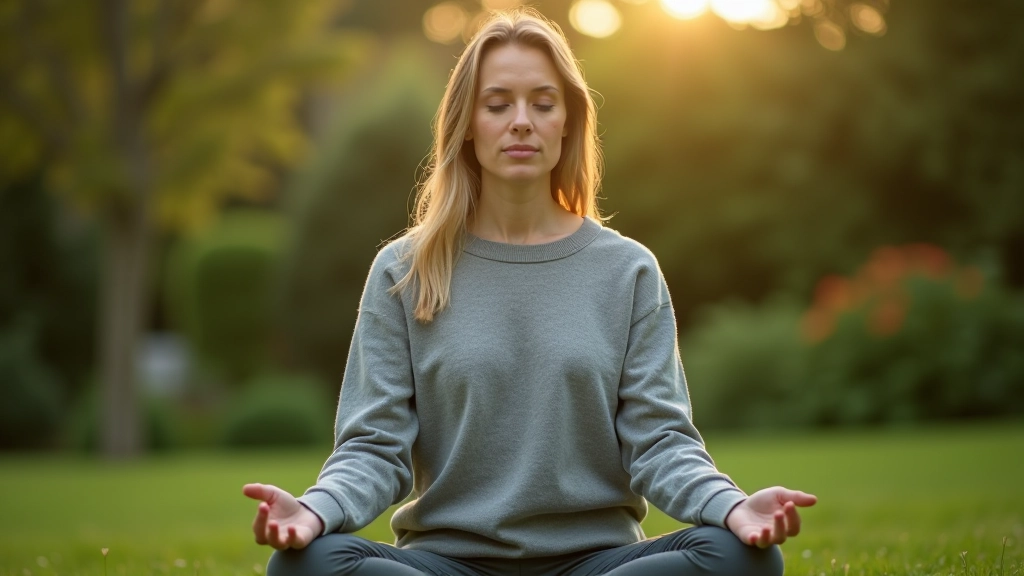
The fascinating part? This doesn’t require dramatic acts. You don’t need to sit in meditation for hours. Small, daily moments of waiting—choosing to read instead of scrolling, standing in a queue without checking your phone, taking three conscious breaths before responding to an annoying email—these compound into real neural changes.
Key insight: Every delay you choose rewires neural pathways that support better decisions, clearer thinking, and stronger emotional regulation.

When you commit to practicing patience, you’ll notice shifts in multiple areas of your life. First, your emotional responses become less reactive. You know that moment when someone says something annoying and you want to snap back immediately? With patience practice, you create space between the trigger and your response. That space is where better choices live.
Second, your relationships improve dramatically. People notice when you actually listen instead of planning your response while they’re talking. They feel heard. You’re not jumping to conclusions or getting defensive. You’re present. That shift alone transforms how others relate to you.
Third, your financial decisions get smarter. Research shows patient people make fewer impulsive purchases, invest more strategically, and experience less regret about spending. They’re not denying themselves—they’re choosing differently.
This article provides educational information about the psychology of patience and delayed gratification. It’s not a substitute for professional mental health support. If you’re struggling with impulse control, anxiety, or emotional regulation, consult with a qualified psychologist or counsellor. Everyone’s circumstances are different, and what works for one person might not work for another. This content is informational only—not medical or psychological advice.
You don’t need a dramatic overhaul to start developing patience. Begin small. The most effective approaches are the ones you’ll actually stick with, and small, consistent practices beat ambitious plans that fizzle out after two weeks.
Start with what researchers call “micro-delays”—tiny moments of waiting built into your daily routine. When you feel the urge to check your phone, wait 30 seconds. That’s it. Thirty seconds of conscious waiting. Your brain notices that gap. Over time, you can extend it to a minute, five minutes, longer.
Another powerful practice is what’s called “response delay.” When someone asks you a question or you receive a message, pause before responding. Take a breath. Think about what you actually want to say rather than what you feel like saying in the moment. This isn’t about being slow or unresponsive—it’s about choosing your response consciously.
Notice what makes you impatient. Is it waiting in queues? Waiting for emails? Being interrupted? Name it specifically.
When that trigger happens, deliberately wait 30 seconds before responding. That’s your baseline. You’re retraining your automatic response.
During the wait, focus on breathing. Three slow breaths. This activates your parasympathetic nervous system and naturally calms the urge.
Once 30 seconds feels manageable, try one minute. Build up over weeks, not days. Patience compounds with practice.

Here’s what we often miss about patience: it’s not passive. It’s not resignation. It’s active, intentional choice-making. Every time you choose to wait, you’re exercising agency. You’re saying “I get to decide how I respond.” That’s powerful.
The benefits don’t show up overnight. But after eight weeks of consistent practice? You’ll notice you’re less reactive. After six months? Your relationships feel deeper. After a year? You’re making decisions from a completely different place—one that’s clearer, calmer, more aligned with what actually matters to you.
You don’t need to be naturally patient to develop patience. You just need to start. Begin with one trigger, one micro-delay, one conscious breath. That’s enough. Your brain is waiting to be rewired. It’s been designed to change. You’re just giving it the opportunity to do what it’s built to do.
Learn practical exercises you can start today, discover how to recognize what triggers your impatience, and find out how thoughtful responses reshape your relationships.
Explore Daily Patience Exercises